Blue Mountains Swimming Guide: Best Waterfalls and Swimming Holes
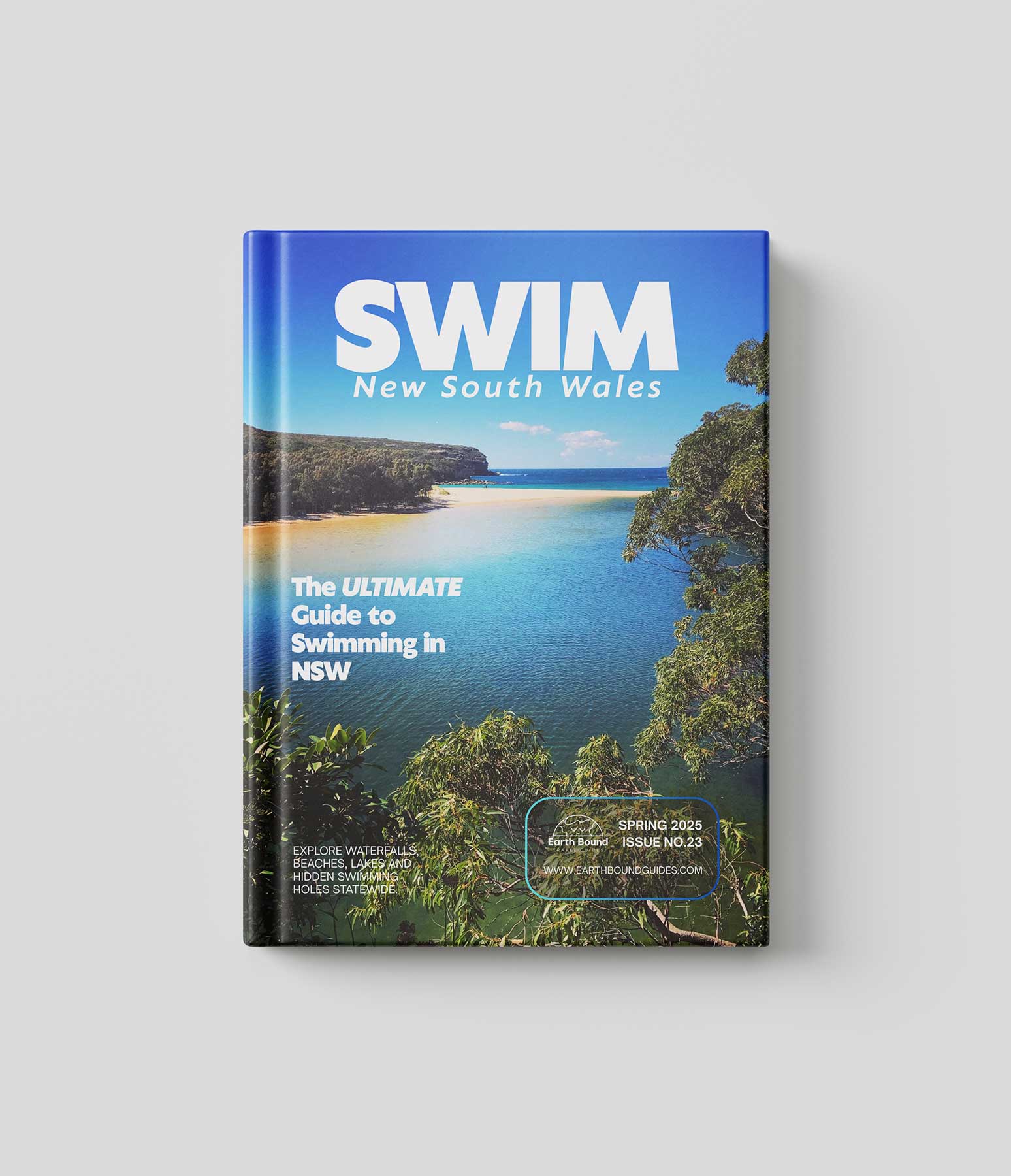
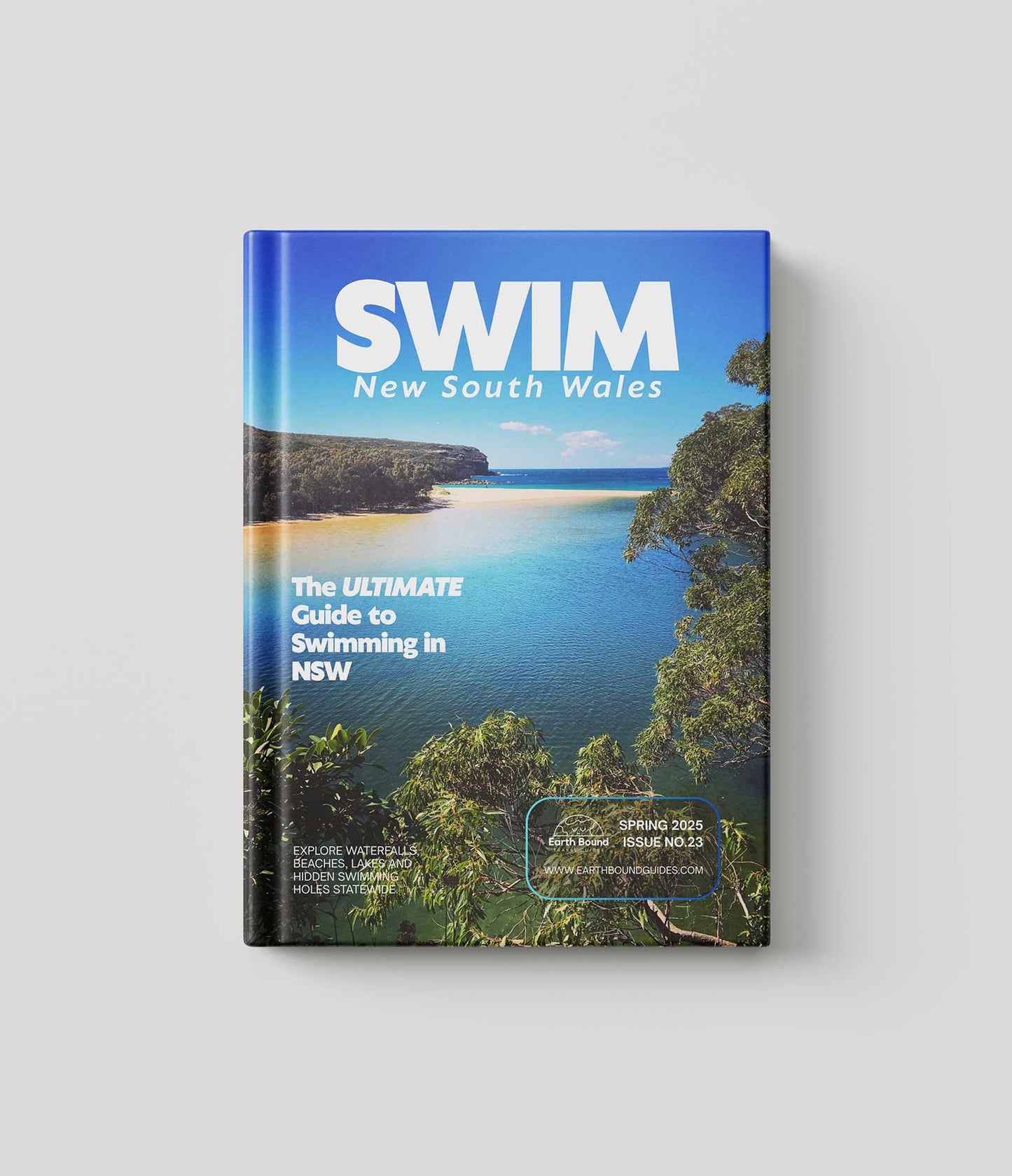
West of Sydney, the Blue Mountains offer some of the most spectacular swimming in New South Wales. From the sandy-edged Jellybean Pool at Glenbrook to the canyon pools of Dalpura and the big sandbanks of the Colo River at the end of Bob Turners Track, the region combines dramatic scenery with cold, refreshing mountain water. All three are in Swim New South Wales.
Find this and dozens more in Swim New South Wales: directions, access notes and safety tips. Printed guides include 12 months of the Explorer app free. Get the guide →
This guide covers the best swimming holes and waterfalls in and around the Blue Mountains, with access, difficulty, seasonal conditions and safety tips for each.
Why Swim in the Blue Mountains?
- Close to Sydney: Glenbrook is about an hour from the CBD, and most other spots are within 2 hours, perfect for day trips or weekends.
- Cool mountain water: Refreshing even in summer.
- Dramatic scenery: Sandstone cliffs, eucalypt forest and World Heritage wilderness.
- Options for everyone: From short family walks to technical canyons.
- Year-round beauty: Summer swims and winter waterfall flows.
Best Swimming Holes in the Blue Mountains
1. Jellybean Pool, Glenbrook

Location: Glenbrook entrance, Blue Mountains National Park (Lower Blue Mountains)
Difficulty: Easy to moderate, about 1km return on a short but steep track with sandstone steps
Best for: Families, photography, an easy first wild swim
Swimming season: Spring to early autumn (the water is very cold in winter)
Jellybean Pool is arguably the most famous swimming hole in the Blue Mountains. This jellybean-shaped pool on Glenbrook Creek has a sandy beach on one side and smooth sandstone boulders around the edges, so it works for both wading and deeper swimming.
What makes it special: Calm, clear water in dry spells, the classic shape and easy access. It's become an Instagram icon, but the beauty is real.
The walk: Enter the park at Glenbrook (via Bruce Road), pay at the entry booth, and drive down to the Jellybean Track. The track is about 1km return with uneven sandstone steps; allow 30 minutes to an hour, as the climb back up takes longer. You can also catch the train to Glenbrook Station and walk 15 to 20 minutes to the park entrance.
Swimming experience: The pool is shallow at the edges and fairly deep in the middle. It gets crowded on busy weekends, so come early or on a weekday. The water can turn murky after rain.
Important notes: Park entry fees apply ($8 per vehicle per day at the time of writing). Gates are open 8:30am to 7pm from October to April and 8:30am to 6pm the rest of the year, and the area may close in extreme heat or after storms. There are no facilities at the pool, so bring everything you need. Don't jump or dive from the rocks.
Read the complete Jellybean Pool guide
2. Dalpura Canyon, near Mount Wilson

Location: Blue Mountains National Park near Mount Wilson, off the Bells Line of Road
Difficulty: Technical: canyoning experience and gear, or a qualified guide, required
Best for: Experienced canyoners and guided groups
Swimming season: Late spring and summer (wetsuit a good idea outside summer)
Dalpura Canyon is a short slot canyon ending in a waterfall pool. It's one of the gentler Blue Mountains canyons, but it's still a technical canyon, with wading, rock hopping, scrambling and an optional abseil.
What makes it special: Mossy canyon walls glowing in filtered light, small plunge pools fed by trickling waterfalls, and a real sense of isolation.
The experience: Allow most of a day; a typical trip through the canyon and back takes around 3 to 5 hours. The route isn't a signposted walking track, so use reliable canyon track notes or go with a guide.
Swimming conditions: The water is cold year-round but beautifully clear. Never enter during or after heavy rain or storms: water levels rise quickly in slot canyons.
Important notes: This is NOT a beginner swimming spot. Go with canyoning experience and rope and gear for the optional abseil, or with a qualified guide. Respect Country: pack out all rubbish and avoid disturbing vegetation.
Read the complete Dalpura Canyon guide
3. Bob Turners Track and the Colo River

Location: Colo Heights, off the Putty Road, Wollemi National Park (north of the Blue Mountains)
Difficulty: Moderate, with a well-graded descent and a steep climb out
Best for: Sandy river beaches, quieter swimming, bushwalking
Swimming season: Spring to autumn
Bob Turners Track drops into the Colo Gorge in Wollemi National Park, part of the Greater Blue Mountains wilderness. At the bottom, the forest opens up to a huge sandbank on a bend of the Colo River with deep, glassy water.
What makes it special: Fine, soft sand and clear water instead of rocky pools, and far fewer people than Jellybean Pool. You can often have a stretch of river to yourself, especially on weekdays.
The walk: From Colo Heights on the Putty Road, take the small NPWS-signed turn-off just past the service station and drive about 3km of dirt road to the trailhead (fine for 2WD in dry weather). The track was built for carrying canoes, so it uses long zig-zags rather than endless stairs, but the climb out is steep in places.
Swimming experience: The water is crystal clear and generally deep enough for a proper swim. Only float or swim when the river is low and calm, and never dive into water you haven't checked.
Important notes: The Colo can rise rapidly after rain, including rain upstream, so stay away if heavy rain is forecast. There are no facilities, so bring plenty of water for the hot climb out and take all rubbish home.
Read the complete Bob Turners Track guide
Planning Your Blue Mountains Swim
Best Time to Visit
- Summer (December to February): Warmest weather, but the water is still cold (around 15 to 20°C). Expect crowds at Jellybean Pool on weekends. Best for all three spots.
- Autumn (March to May): Cooler air but still swimmable, with fewer crowds than summer. Best for hardier swimmers and photographers.
- Winter (June to August): Very cold water (around 10 to 15°C), but waterfalls flow strongly after rain. Best for waterfall viewing rather than swimming.
- Spring (September to November): Water warming up, wildflowers blooming and waterfalls still flowing. A great time to visit before the summer crowds.
Essential Information
- Park entry fees: Vehicle entry fees apply at some locations, such as the Glenbrook entrance for Jellybean Pool. Dalpura Canyon is free to access.
- Water temperature: Cold year-round, refreshing to downright chilly even in summer.
- Facilities: Most swimming holes have none. Bring everything you need and take all rubbish with you.
- Mobile coverage: Limited or none in many areas. Download maps and tell someone your plans.
- Weather: Mountain weather changes quickly. Check forecasts and NSW National Parks alerts, and expect cooler temperatures than Sydney.
What to Bring
- Swimmers and towel
- Sturdy shoes with good grip (tracks can be steep and slippery)
- Plenty of water (at least 2L per person)
- Snacks and lunch
- Sunscreen and hat
- Warm layers (the mountains are cooler than Sydney)
- Waterproof bag for valuables
- First aid kit
- Water shoes for rocky pools
- Camera (these swimming holes are incredibly photogenic!)
For Dalpura Canyon specifically:
- Canyoning experience or a qualified guide
- Helmet, rope and abseiling gear for the optional abseil
- Wetsuit (recommended outside summer)
- Canyoning boots or sturdy shoes
Safety Tips
- Never swim alone.
- The water is cold year-round, so enter slowly and be aware of cold water shock.
- Rocks can be extremely slippery, so wear the right footwear.
- No jumping or diving: water depth changes and hidden rocks and logs are common.
- Check the weather before you go, and stay out of creeks, rivers and canyons during or after heavy rain, when flash flooding is a real risk.
- Tell someone your plans and expected return time.
- Carry a first aid kit and know basic first aid.
- Be ready for steep walks: a reasonable level of fitness is needed for most swimming holes.
- Respect Aboriginal sites like Red Hands Cave, also in the Glenbrook section of the park: stay behind the barriers and never touch the art.
Blue Mountains Swimming Itineraries
Half-Day Trip: Jellybean Pool
Time: 3 to 4 hours total
Difficulty: Easy to moderate
Perfect for: Families and first-time visitors
Drive to Glenbrook (about an hour from Sydney), pay at the park entry booth and head down to the Jellybean Track. Walk down to the pool (about 1km return), swim, relax and photograph the pool, then return the same way. Stop in Glenbrook or Springwood for lunch on the way home.
Full-Day Trip: Bob Turners Track
Time: 5 to 6 hours total
Difficulty: Moderate
Perfect for: Fit walkers and anyone after a quieter river swim
Drive to Colo Heights on the Putty Road and start Bob Turners Track early. Walk down to the Colo River, swim off the sandbank and have lunch by the water, then tackle the climb out before the afternoon heat.
Canyon Day: Dalpura Canyon
Time: Most of a day for the canyon, plus travel
Difficulty: Technical: canyoning experience or a guide required
Perfect for: Experienced canyoners and guided groups
Stay overnight in the upper mountains, such as Blackheath or Katoomba. Head out along the Bells Line of Road towards Mount Wilson early with proper equipment and an experienced group or guide, and allow 3 to 5 hours for the canyon. Spend the afternoon recovering in Mount Wilson or Blackheath.
Blue Mountains Swimming Weekend
Day 1: Swim at Jellybean Pool, then explore Leura and Katoomba and stay overnight.
Day 2: Experienced canyoners can do Dalpura Canyon near Mount Wilson; otherwise, enjoy the lookouts and cafés of the upper mountains before heading home.
More Blue Mountains Swimming Spots
Beyond the main swimming holes in this guide, the Blue Mountains have many more spots worth finding:
Lower Blue Mountains (Glenbrook):
- Erskine Creek: deep, still pools among huge boulders, a steep 2.5km walk down the Jack Evans Track. Park entry fees apply.
- Grey Hat Falls and Crayfish Pool: a sandstone waterfall pouring into a deep, shaded swimming hole. Never feed the eels or crayfish, and skip chemical sunscreen and repellent.
- Nepean River swimming spots
Upper Blue Mountains:
- Federal Falls swimming hole
- Empress Falls pools (viewing only, swimming not recommended)
- Pools along the Grand Canyon Track
Canyons (experienced only):
- Claustral Canyon
- Butterbox Canyon
- Serendipity Canyon
Blue Mountains Swimming FAQs
Can you swim at Jellybean Pool?
Yes. It's a calm pool on Glenbrook Creek, shallow at the edges and deeper in the middle. Park entry fees apply, and the area may close in extreme heat or after storms.
Do you need to pay to swim in the Blue Mountains?
Only at some locations. There's a vehicle entry fee at the Glenbrook entrance for Jellybean Pool, while Dalpura Canyon is free to access.
Is Dalpura Canyon suitable for beginners?
Not on your own. It's one of the gentler canyons, but it's still technical with an optional abseil, so go with experience and gear or a qualified guide.
How cold is the water in the Blue Mountains?
Cold year-round: roughly 15 to 20°C in summer and 10 to 15°C in winter. Enter slowly to avoid cold water shock.
Beyond the Blue Mountains: More NSW Swimming Spots
If you love Blue Mountains swimming, you'll also enjoy:
Royal National Park:
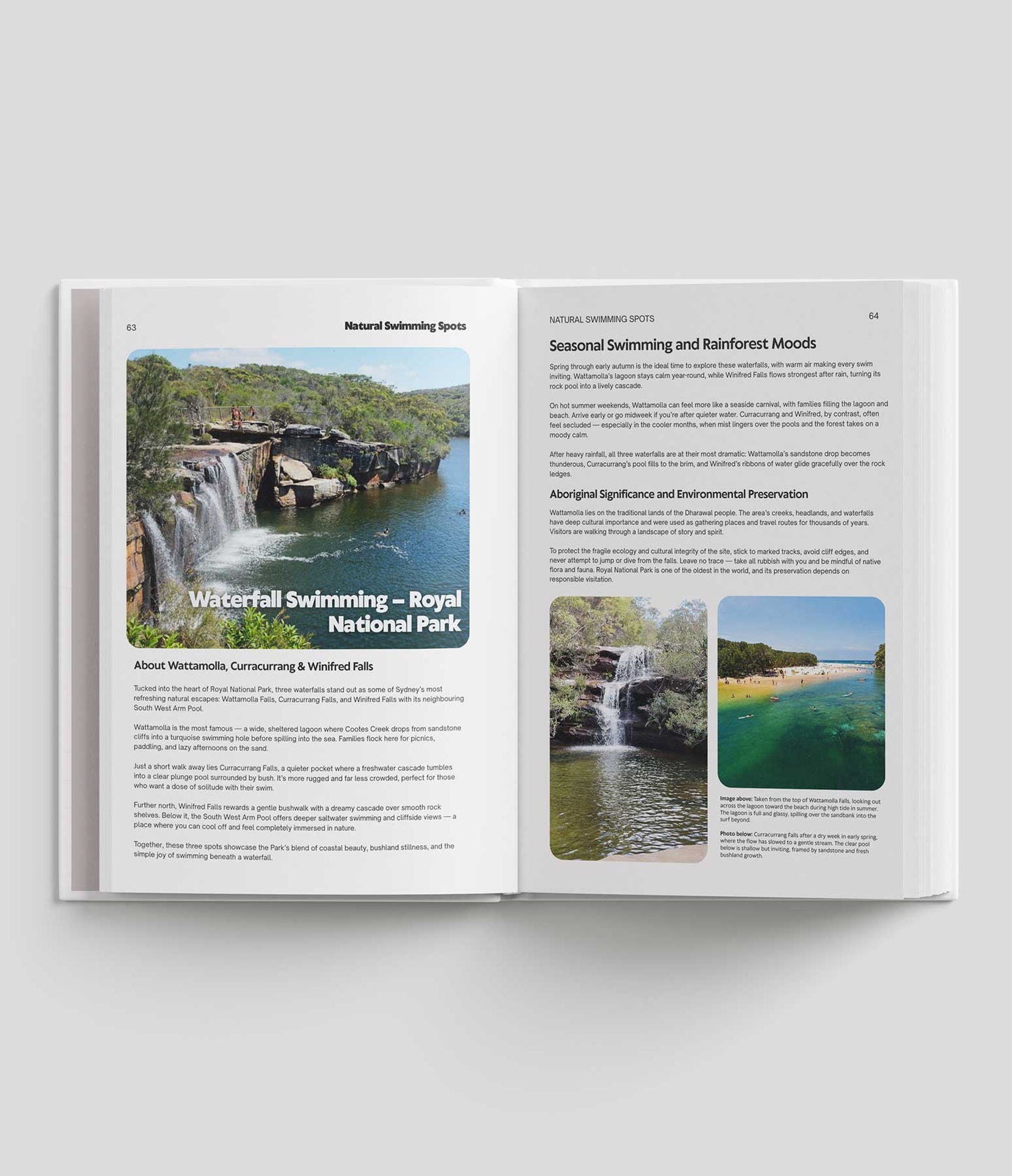
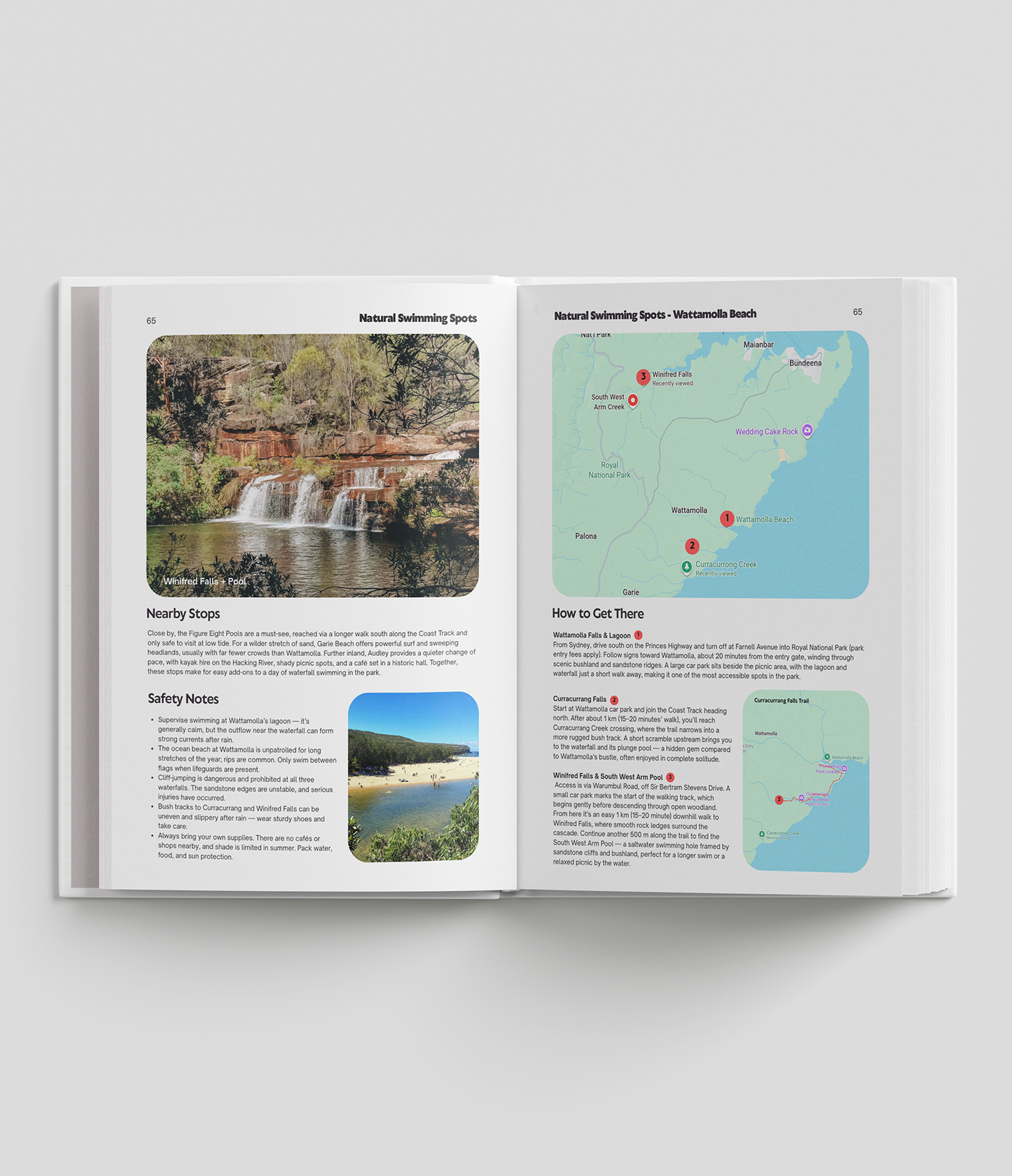
- Wattamolla: a waterfall lagoon
- Curracurrang Falls: a hidden waterfall on the Coast Track
- Winifred Falls: a scenic bushwalk to a swimming hole
Waterfall Way:
- Crystal Shower Falls: walk behind the waterfall
- Dangar Falls: a 30-metre waterfall with a big swimming hole
Ocean pools:
- Wylie's Baths: Coogee's historic ocean pool
- The Bogey Hole: Newcastle's convict-built pool
Exploring beyond the water? See our Hidden Gems Blue Mountains guide.
Final Thoughts
The Blue Mountains offer some of the most spectacular and varied swimming in New South Wales. From the sandy edges of Jellybean Pool to the canyon pools of Dalpura and the river beaches at the bottom of Bob Turners Track, there's a Blue Mountains swim for everyone.
The water is cold year-round and the walks can be tough, but the reward is swimming in some of Australia's most beautiful natural pools, surrounded by World Heritage wilderness and sandstone cliffs.
Respect the environment, follow safety advice and be prepared for mountain conditions, so these swimming holes stay this good for the next generation.
For more swimming spots across New South Wales, from ocean pools to secret waterfalls, grab a copy of Swim New South Wales.