Best Beaches & Swims on the NSW North Coast: Byron Bay to Forster
The NSW North Coast has more ways to get wet than almost anywhere in the state. In a single road trip you can float in a quarry pool beside the surf, drift down a tidal creek on the incoming tide, scramble up a rainforest gully to a waterfall and watch longboarders peel around one of Australia's best-known points. The water is warmer than down south, the beaches are long and the towns are small enough that you're rarely far from a swim.
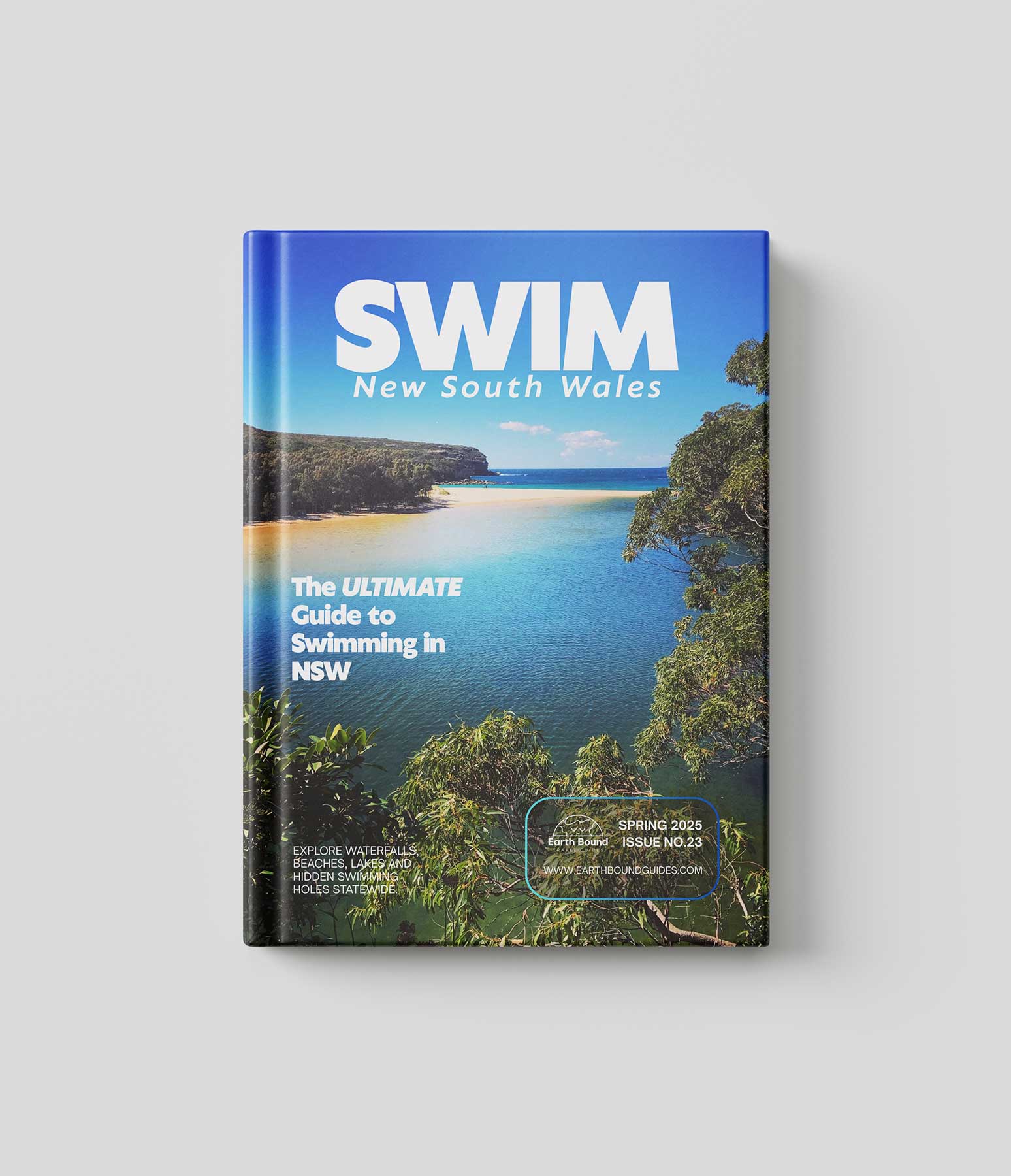
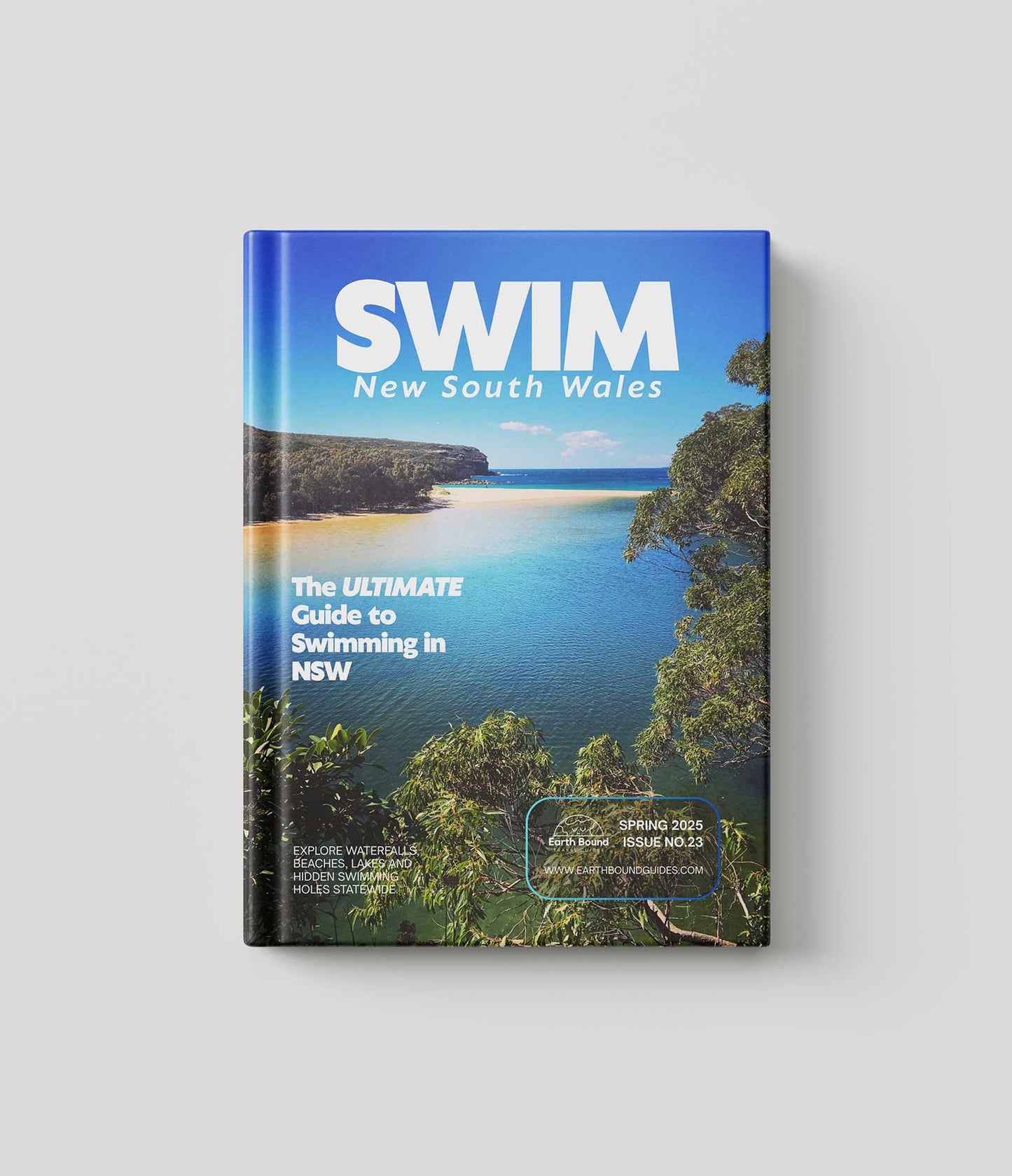
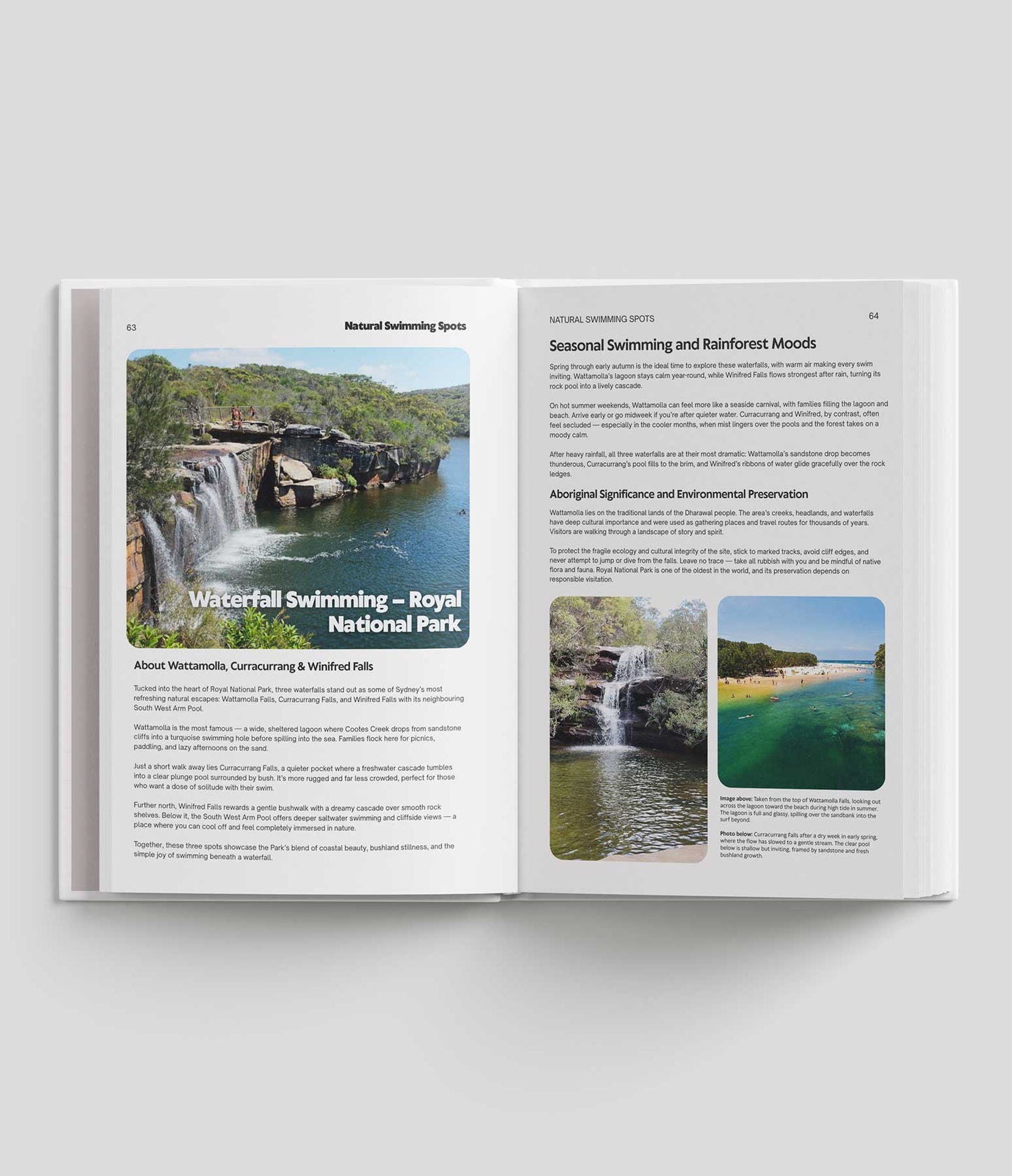
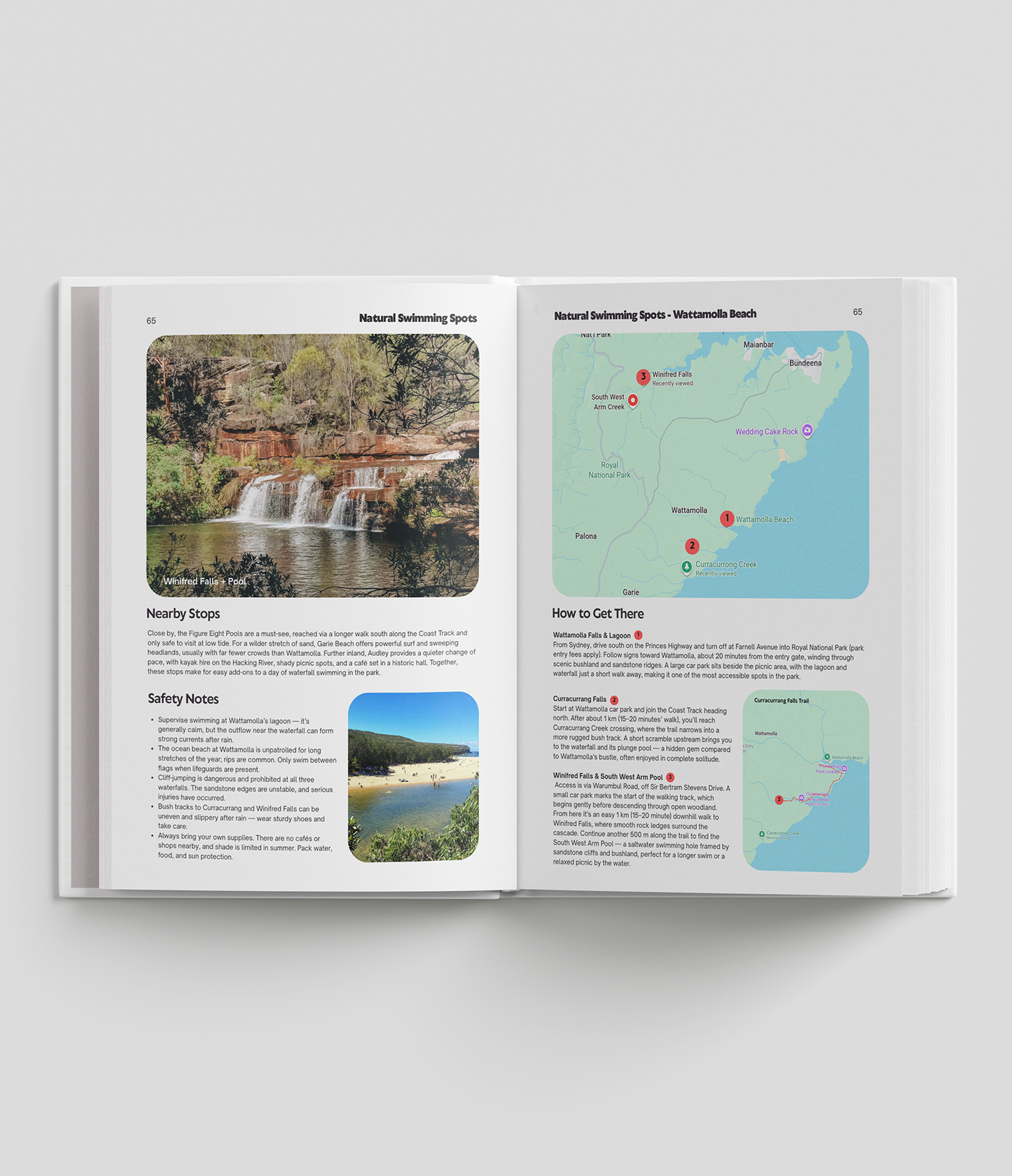
Find this and dozens more in Swim New South Wales: directions, access notes and safety tips. Printed guides include 12 months of the Explorer app free. Get the guide →
This is our pick of the North Coast, running south from the Tweed Coast through Byron Bay, Yamba and the Coffs hinterland to the Macleay Valley and Forster. Some are patrolled beaches, some are wild rock pools that only work at low tide, and a couple take real effort to reach. Every one of them is in Swim New South Wales, our guide to the state's best swims, along with the details that make each visit easier.

1. Cabarita Beach, Tweed Coast
"Caba" is a small beach town between the Gold Coast and Byron Bay, with a curve of sand running south from Norries Headland and pandanus along the dunes. Brad Farmer, Tourism Australia's beach ambassador, put it at the top of his list of Australia's best beaches for 2020, yet it still feels relaxed. Swim between the red and yellow flags in front of the surf club when it's patrolled, leave the breaks near the headland to the surfers, and walk over Norries Headland at sunrise. Parking is near the surf club and Pandanus Parade, and the 684 bus runs from Tweed Heads and Kingscliff.
2. The Pass, Byron Bay
The Pass is Byron's famous point break, tucked between Clarkes Beach and Wategos, where long right-handers roll around the headland. It's a surf spot first, but on calm mornings the water goes glassy and still, perfect for a swim or snorkel just off the sand. Keep well clear of the busy lineup, and climb the timber stairs to Fisherman's Lookout for views to Julian Rocks and dolphins cruising past. The car park is small, paid and fills early; the 15 to 20 minute walk from Main Beach via Clarkes Beach is easier. Check Beachsafe for patrol information.

3. Wategos Beach, Byron Bay
Just below mainland Australia's most easterly point, Wategos is a sheltered, pandanus-lined bay that catches some of the first sun in the country. The headland takes the power out of the swell, so waves tend to peel in long, gentle lines, which suits swimmers, beginner surfers and families. On still days you can see rays moving over the sand, and humpbacks pass offshore between May and November. The nicest way in is on foot along the Cape Byron walking track. Parking behind the beach is paid, limited and patrolled by rangers. Swim within your ability, keep clear of boards and check Beachsafe for patrols.
4. Tallow Beach, Byron Bay
Tallow is Byron's wild side: about 6.5 km of sand from Cape Byron to Broken Head, backed by dunes and forest in Arakwal National Park, which NPWS co-manages with the Bundjalung of Byron Bay People (Arakwal). Be honest about the conditions. It's unpatrolled, with strong rips and shore dumps, so on big days enjoy it from the sand. On calm days Cosy Corner, under the cliffs at the northern end, can offer a sheltered pocket close to shore. NPWS charges pay-and-display parking at Cosy Corner. Fires, camping and dune climbing are banned, and pets aren't permitted in the national park sections.
5. Angourie Blue and Green Pools, Yamba
Just south of Yamba, two deep freshwater pools sit a few metres from the Pacific. They're old quarries that, according to local history, flooded when workers broke into an underground spring, leaving equipment at the bottom. The larger Blue Pool has emerald water and grassy banks; the Green Pool is a short walk over the headland. Both get very deep straight off the edges, with no ladders. Don't jump or dive: submerged quarry machinery makes it genuinely dangerous. The council closes the pools during blue-green algae blooms, so check signs at the free Blue Pool car park. This is Yaegl Country.

6. Scout Falls, Sherwood Nature Reserve
About 40 minutes north-west of Coffs Harbour near Glenreagh, Scout Falls drops into a deep, clear, cold pool in a small rock amphitheatre in the rainforest. There's no sign, no formed track and no facilities. From roadside parking by the Middle Creek bridge, you rock-hop upstream for 20 to 30 minutes over boulders and roots. It's a swim for steady walkers on a dry, settled day: never jump or dive, stay away after heavy rain because of flash-flood risk, and expect patchy reception. Don't trample the ferns, and skip sunscreen and repellent before you swim. NPWS can close the reserve in bad weather or fire danger.
7. Korogoro Creek, Hat Head
Korogoro Creek winds through the village of Hat Head on the Macleay Valley Coast, and on a high tide it's as clear as a tropical lagoon. Locals call the best way to enjoy it "the drift": a lazy float carried by the incoming tide. Go on the incoming tide near high water, when the current is gentle. On the outgoing tide it runs strongly towards the ocean, so stay out. Walk in from the sandy banks rather than jumping from the footbridge, as depths change with the tide. The creek isn't patrolled. Free parking near the footbridge, with toilets and showers near the surf club.

8. The Crescent Rockpool, Crescent Head
South of Crescent Head, a turquoise pool with a sandy floor sits on a raised rock shelf beneath a cliff, invisible until you're beside it. Getting there is part of the fun: from the Back Beach car park (the last stretch of road is unsealed), walk about 600 metres along the sand, then scramble about 250 metres around the rocks with no formal path. Only go within a couple of hours of low tide and in slight swell. If waves are reaching the shelf, turn around. Lower yourself in rather than jumping. There are no toilets, bins or lifeguards, so pack out everything.
9. Forster Fairy Pools, Forster
Around the southern headland of Burgess Beach, a cluster of clear rock basins appears at low tide. Some are just big enough to sit in, others deep enough for a proper plunge. From the small car park off Burgess Street, walk to the far southern end of the beach and scramble over large, barnacle-covered boulders, about 15 to 20 minutes each way. Go at dead low tide with small swell: at high tide or in big seas the pools are submerged and the shelf is dangerous. Never turn your back on the ocean. This is Worimi Country, so tread lightly and leave the rock-pool life as you found it.

Planning Your Visit
- Surf beaches: rips are common along this coast. At patrolled beaches, swim between the red and yellow flags, and check Beachsafe for patrol days and conditions before you go. Tallow Beach and the Crescent Head and Forster rock shelves have no lifeguards.
- Rock pools and shelves: the Crescent Rockpool and Forster Fairy Pools only work at low tide in small swell. Waves can wash over the rock without warning in bigger seas, the rock is slippery and barnacled, and reef shoes help.
- No jumping or diving: at Angourie, Scout Falls, Korogoro Creek and every rock pool here, depths vary and hazards hide below the surface. Walk or lower yourself in.
- Tides: Korogoro Creek is an incoming-tide swim only. Check a tide chart before you plan the day.
- After rain: skip Scout Falls and other creek swims after heavy rain, when flash flooding and strong currents are a real risk. Angourie's pools can also close for algae blooms in long, hot, dry spells.
- Parking: Byron's beach car parks are small, paid and patrolled. Walk or ride from town where you can.
- Kids and alcohol: supervise kids closely around deep water and rock platforms, and keep alcohol out of the swim.
- Country and wildlife: much of this coast is Bundjalung, Yaegl and Worimi Country. Stay on marked tracks, give dolphins and whales space, and take all rubbish home.
North Coast Swimming FAQs
What is the best beach for swimming in Byron Bay?
For calm water, Wategos and The Pass are the most sheltered on settled mornings, though both are busy with surfers. If you want lifeguards, choose a patrolled beach and swim between the flags. Tallow Beach is beautiful but unpatrolled, with strong rips.
Can you swim in the Angourie Blue Pool?
Yes, when it's open. The council closes the pools during blue-green algae blooms, so check the signs at the car park. Jumping and diving are dangerous because of the depth and old quarry machinery below.
When is the best time to visit North Coast rock pools?
Low tide on a day with small swell. The Crescent Rockpool and Forster Fairy Pools are submerged or dangerous at high tide and in big seas.
Are there freshwater swimming spots on the NSW North Coast?
Yes. The Angourie Blue and Green Pools are freshwater quarry pools beside the ocean, and Scout Falls near Glenreagh is a rainforest waterfall pool reached by a creek scramble.